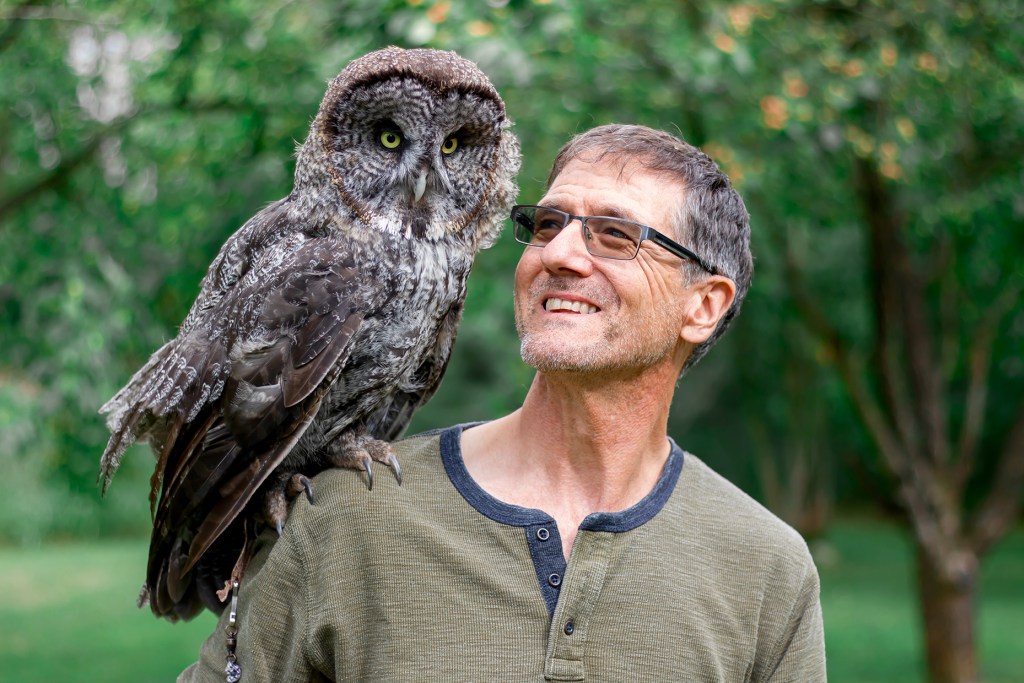
Up Close and Personal with the Great Gray Owl
Co-Sponsored with Land of Lakes Bird Alliance Get Your Zoom Link Here Join us for a presentation on Great Gray Owl biology and ecology by Dr. James Duncan. Jim has […]
Co-Sponsored with Land of Lakes Bird Alliance Get Your Zoom Link Here Join us for a presentation on Great Gray Owl biology and ecology by Dr. James Duncan. Jim has […]
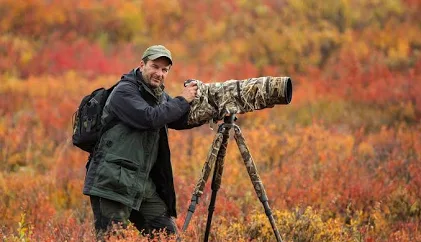
This Event is FULL In Person Only - No Cost but Reservations Required Co-Sponsored with Land of Lakes Bird Alliance We often compare our human bodies and senses (such as […]
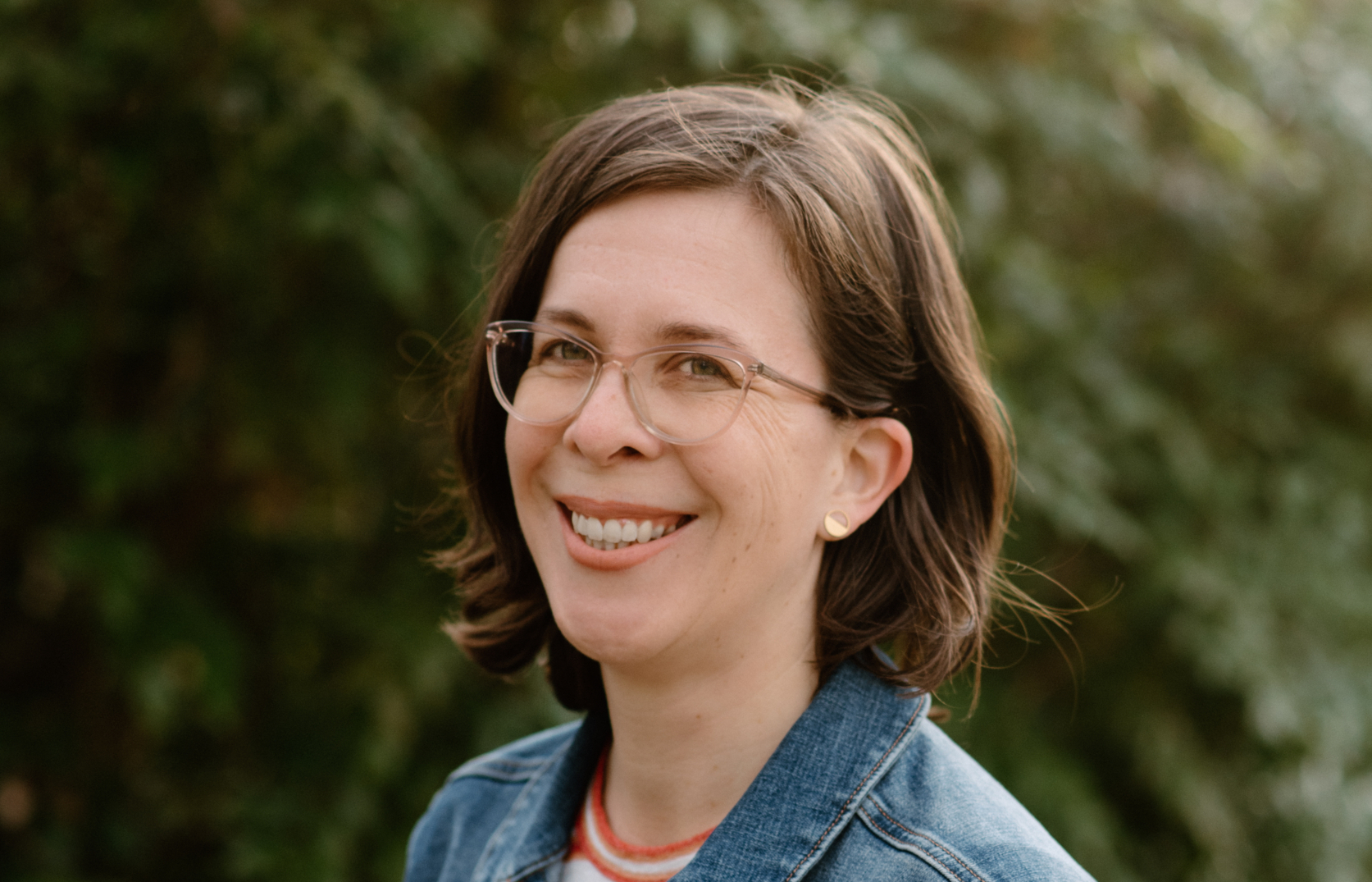
** THIS IS A ZOOM-ONLY PRESENTATION ** ** Co-Sponsored with Land of Lakes Bird Alliance ** Reservation and Zoom Link Because they're warm-blooded, it's easy to imagine that birds are basically feathery versions of mammals—but in reality, of course, they're dinosaurs. Birds' anatomy and physiology are wildly different from ours. Rebecca Heisman promises that you'll […]
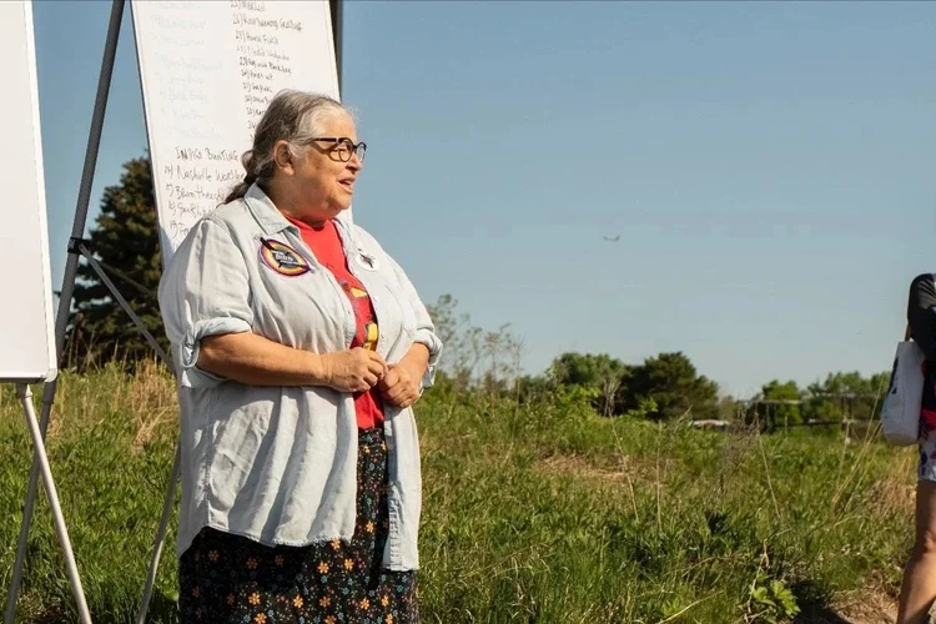
Ojibwe Legends of our Insect World March 12 - 7 pm Aŋpétu Téča Education Center, Roseville, MN 1910 County B Road West, Rm 207 Roseville, MN 55113 In-Person ONLY - No Registration Needed Co-Sponsored with Land of Lakes Bird Alliance Winter is traditionally storytelling season in our Native communities in Minnesota. Many Ojibwe legends (Aadizookaanag) honor our […]
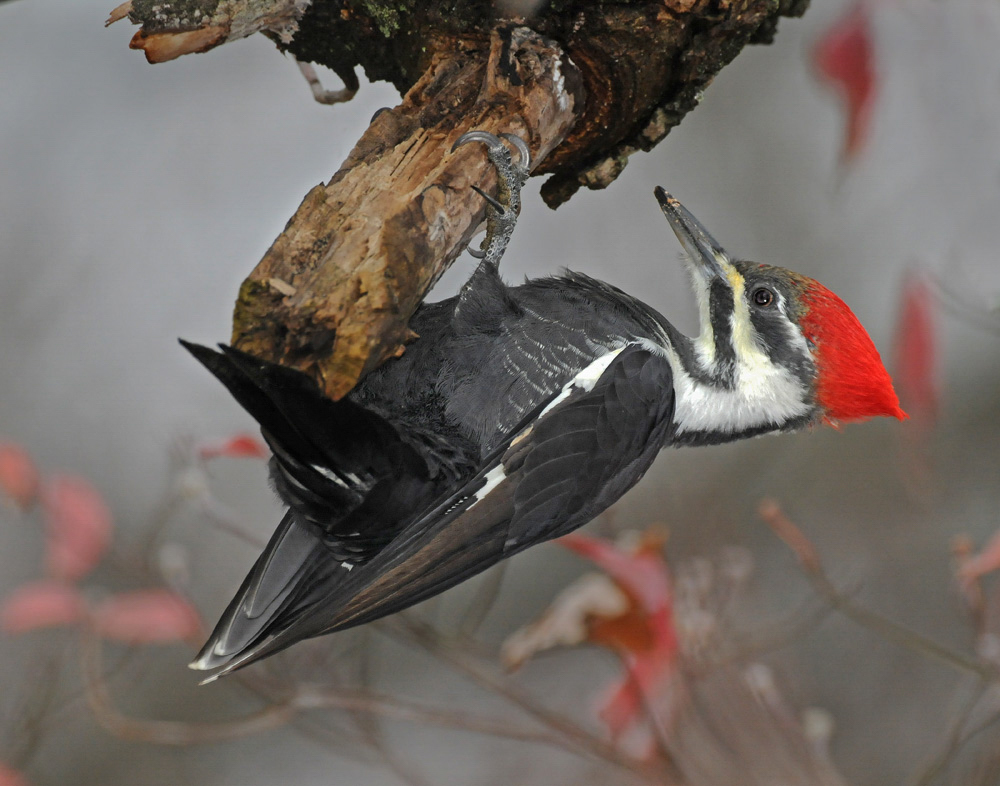
** THIS IS A ZOOM-ONLY PRESENTATION ** ** Co-Sponsored with Land of Lakes Bird Alliance ** Reservation and Zoom Link Kara Snow - Project Pileated Woodpecker: Characterizing Tree Cavity and […]
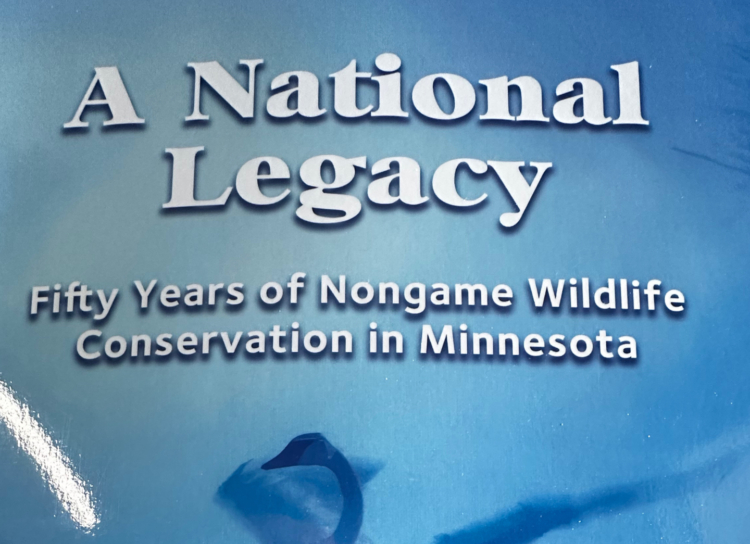
Mr. Henderson will speak about his book “A National Legacy,” which captures the spirit and innovation behind the dedication required to drive lasting change in wildlife conservation. It highlights the significant and historic transition by the Minnesota Department of Natural Resources from a focus on managing game species for hunters' benefit to a broader ecological approach, marked by the creation of the Nongame Wildlife Program in 1977. This progressive Minnesota program, driven mainly by Carrol L. Henderson, became a national model for other states to develop their own nongame wildlife programs.